Cannabis, Teens, and Danger: Postponement as Prevention
[ad_1]

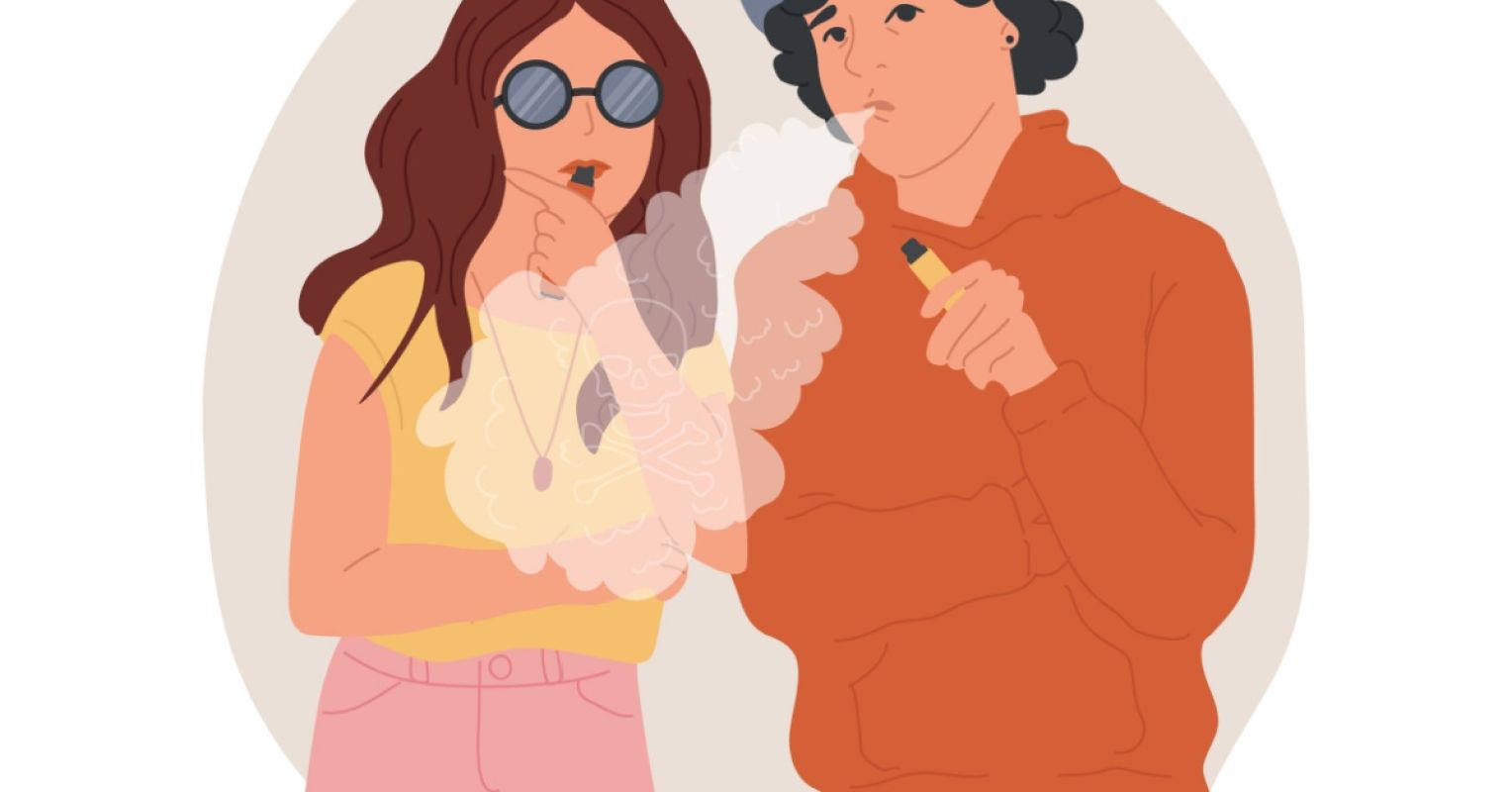
In a lifestyle wherever 23 states and the District of Columbia have legalized cannabis, it is not surprising that most teenagers below the lawful age of 21 perceive occasional or weekly use of hashish as harmless. Of problem is that more than the past 10 years, as the perceived risk of common cannabis has diminished, use among teenagers has elevated from 11.6 p.c to 17.9 percent—an enhance which is likely to go on.
The issue of researchers, physicians, even individuals who are proponents of legalizing hashish, is that the failure to identify the influence of Cannabis on a teen’s operating and their nevertheless-acquiring brain puts them in harm’s way.
A Columbia College Study Features Some Viewpoint
The rationale for a new Columbia College examine was the problem that whilst adolescents with cannabis use problem (CUD) are deemed by clinicians to be at threat for adverse outcomes, very little is regarded about individuals teens using hashish recreationally, what is considered Non-Disordered Cannabis Use (ND-CU).
The Objective of the Examine
The goal of the examine was to describe the prevalence and demographics of non-disorderd hashish use and to look at associations of cannabis use with adverse psychosocial events between adolescents with no cannabis use, and those with cannabis use condition.
Guide creator Ryan Sultan features a near glimpse at the impact of non-disordered hashish use across 68,263 teens—drawn from the 2015-2019 Countrywide Survey on Drug Use and Well being. The members were being adolescents aged 12 to 17 decades who ended up divided into three groups: 59, 617 adolescents (87.3 p.c) described no use of cannabis 6,971 adolescents (10.2 %) noted non-disordered hashish use and 1,675 adolescents (2.5 percent) had hashish use disorder. The suggest age of the adolescents was 14.5.
Findings
- In the sample, non-disordered cannabis use by teens was 4 occasions more frequent than hashish use condition.
- In contrast with non-users, individuals with non-disordered cannabis use experienced approximately two to four times larger odds of all adverse psychosocial gatherings, which include: significant despair, slower thoughts, problem concentrating, cognitive deficits, minimal grade issue average, truancy, arrest, preventing, and aggression.
- In contrast with all those with hashish use dysfunction, teens partaking in non-disordered hashish use had identical signs but to a appreciably lesser degree.
Supplemental Fears From a Hashish Proponent
A constant warning about teenager leisure cannabis use will come from Peter Grinspoon, M.D., a major treatment medical professional and proponent of legalized hashish. Grinspoon grew up in a family members that labored towards the legalization of hashish. His reserve, Viewing by means of the Smoke: A Hashish Expert Untangles the Truth about Marijuana is open-minded and very well-researched.
In his consideration of teens and cannabis use, his position, like other medical scientists, is that the mind does not absolutely produce till age 21 and we really do not know the impact of hashish on a 15-year-previous brain.
He underscores issues of dependency pointed out by others in the field and implies that the very last detail a dad or mum desires to see is a young teen having to access into their pocket for a vaping pen to control panic. On top of that, he validates results that hashish can act in some scenarios as a person of several environmental components that can trigger schizophrenia in people today who already have a predisposition toward psychosis (p.103).
The Information for Teens
Grinspoon implies that when the industry experts wrestle with the research inquiries about relative harms and positive aspects of using hashish, a person matter most people today would agree on is that with our existing stage of expertise, hashish is as well risky for youthful, acquiring brains. He endorses a “Just Say Hold out” technique, where by parents can reveal to teenagers the possible harms with no exaggeration or dramatics (p.219),
There is advantage and possible in the concept “Just Say Hold out”. The rationale for “waiting” in the context of jeopardizing healthy mind improvement may possibly make postponement vs. deprivation a lot more satisfactory. For teens, it may be a far better, additional practical alternative than “Just Say No,” which did not have achievement in drug use reduction and could seem to be inconsistent in mild of legalization.
Postponement safeguards brain development. In their guide Strength-Centered Avoidance: Lowering Violence and other Community Overall health Challenges, Banyard and Hamby (2022) advocate a few avoidance equipment: regulation, interpersonal connections, and that means-producing.
Regulation fosters prevention by means of sports activities, new music, mindfulness, respiratory, meditation, and service tasks that greatly enhance mattering and might engage in a aspect in the potential to postpone cannabis use.
Interpersonal connections foster avoidance with parental aid (alter of or clarification of parents’ possess hashish use). Friends who might all agree to hold out or new good friends with new pursuits can turn into additional significant than hashish use.
Indicating-creating fosters prevention by maximizing final decision-earning.
[ad_2]
Supply hyperlink