The Psychology of Naming | Psychology Right now Australia
[ad_1]
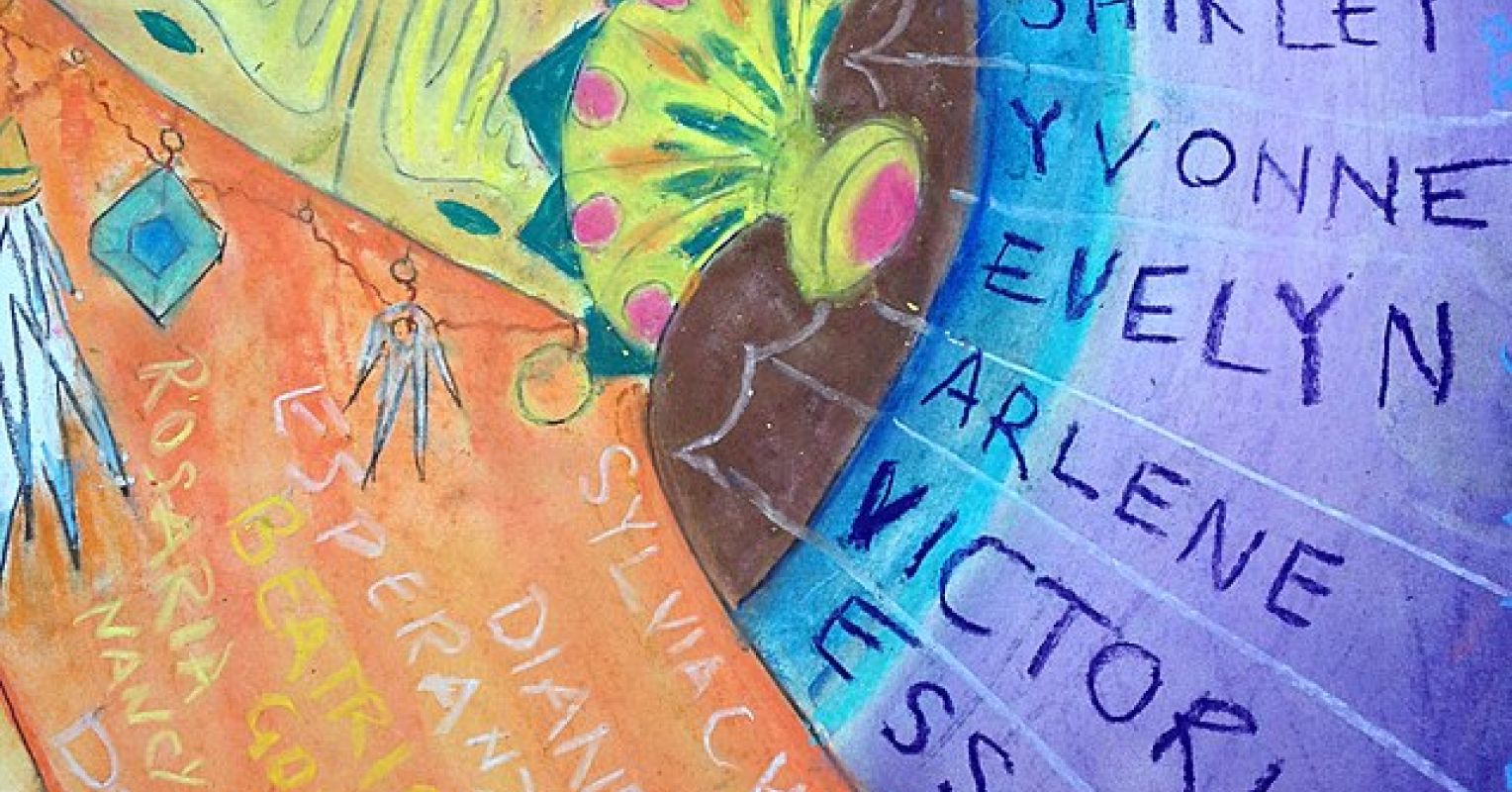
What’s in a name? Naming seems so easy at to start with glance with its fundamental intent. We get assigned a name at delivery, which we might or could not preserve for most of our life but presents outwardly as our identification to the globe. But that identification can be imbued with a lot of intricate meanings about our identities and how other individuals perspective them. First names and surnames can also just take on various dimensions.
To start with names become our personal deal with to the entire world and, in some social cases, are only reserved for spouse and children, close friends, and peers. 1st names are freely decided on, but a lot of first names are section of a prevalent, oft-repeated established in just about every state and culture, often with deep and old historic roots, such as names from religious or mythological texts. Some even grow to be trendy and well-known for several decades or are linked with a specific period. Many others are deliberately unusual or quirky or are considered that way for the reason that they accompany one’s move to a new state.
Gender also weaves into these names and how they may possibly want to adapt or change when one’s gender id will come into their personal and results in being an significant make a difference of specific alternative. Some names grow to be adapted into informal nicknames as diminutive versions of the original or entirely distinct types altogether. All round, the intentions behind to start with names can vary considerably involving familiarity and individuality.
Surnames are not ordinarily as prone to no cost selection, becoming family members names that are frequently transferred for generations, typically patrilineal but not normally. These names can also mirror cultural and historic scenarios, from adoption to slavery to colonization. Questions of particular id can be fraught when deciding no matter whether to keep or improve a identify, especially a surname, symbolizing a beneficial or damaging transmitted legacy.
Females in selected countries or in modern moments have made a decision not to change their surnames when they get married, specifically with the onset of experienced identities for doing the job females, or at times just as a make a difference of traditional custom made (as in Korea or quite a few Islamic international locations). Also, extended hyphenations of surnames have happened based on intermarrying of aristocratic lineages and nowadays as a further alternative for women who want to continue to keep the two maiden and married names in some cases, even some males concur to do so for them selves or their young children.
Children could adjust their final names relying on interactions with their dad and mom (fantastic or lousy) or to honor an individual or some significant heritage. And other times in heritage, names have been forcibly changed or added to replicate invasive dominance by slavery, colonization, or imposed regulations.
Then some come to a decision to change both names completely, trying to get aliases for every little thing from pen names for books to phase names for Hollywood to new identities for people heading into hiding or choosing to reinvent themselves altogether. Some are even daring adequate to go for singular legendary names for their persona, like Madonna or Prince.
Just one particular circumstance of worry even these days is when immigrants make a decision to occur to a further country and generally ought to choose what names to give by themselves and their youngsters. Due to the dominance of European (especially English) names in the last 400 many years in the United States, some names are thought of “foreign” in comparison.
Asian languages and names often appear notably hard to pronounce or spell for native English speakers these families often make a fateful choice as to irrespective of whether to change to anglicized names or keep their original ones when risking opportunity awkwardness and even ridicule. From time to time small children feel pressured to adjust the names they have developed up with to adapt, which can feel like staying compelled to drop or reject their main identification. Some others willingly improve their names to speed up sensation assimilated into their new society and avoid conflict or discomfort, even frank teasing.
Forming a safe feeling of self, particularly all through childhood and adolescence, is essential to a person’s properly-remaining and self confidence lots of persons just take it for granted that cultural displacement can be hard, even traumatic, for everyone going into a new nation. Renaming oneself (or not renaming, nevertheless recently being deemed “unusual”) crystallizes that id alteration for greater or even worse. It’s crucial to remember to place on your own in yet another person’s shoes and empathize with the unique experiences every name can provide.
Accordingly, it’s important for people today to step back again and reflect on a little something that would seem so uncomplicated and automated on the area but can really affect how people view and take care of one a further. Some basic training and consideration to respecting just about every person’s identify, showing a well mannered willingness to learn and pronounce each title and exactly where it will come from (with out calling too significantly awareness to it), can go a long way in the direction of helping each individual person experience approved. It can enable everybody sense harmonious in their distinctions, not marginalized or mocked.
[ad_2]
Supply hyperlink